How to Find Reliable Gas Line Repair in Your Area
Find reliable gas line repair near you with expert local pros who handle safety inspections, leak detection, and code-compliant fixes for your home.
How to Find Reliable Gas Line Repair in Your Area
Why Proper Gas Line Repair Protects Your Home and Family
Gas line repair is one of the most safety-critical services a homeowner will ever need — and knowing how to handle it correctly can mean the difference between a minor fix and a life-threatening emergency.
Here is what you need to know right away:
Quick answers for homeowners:
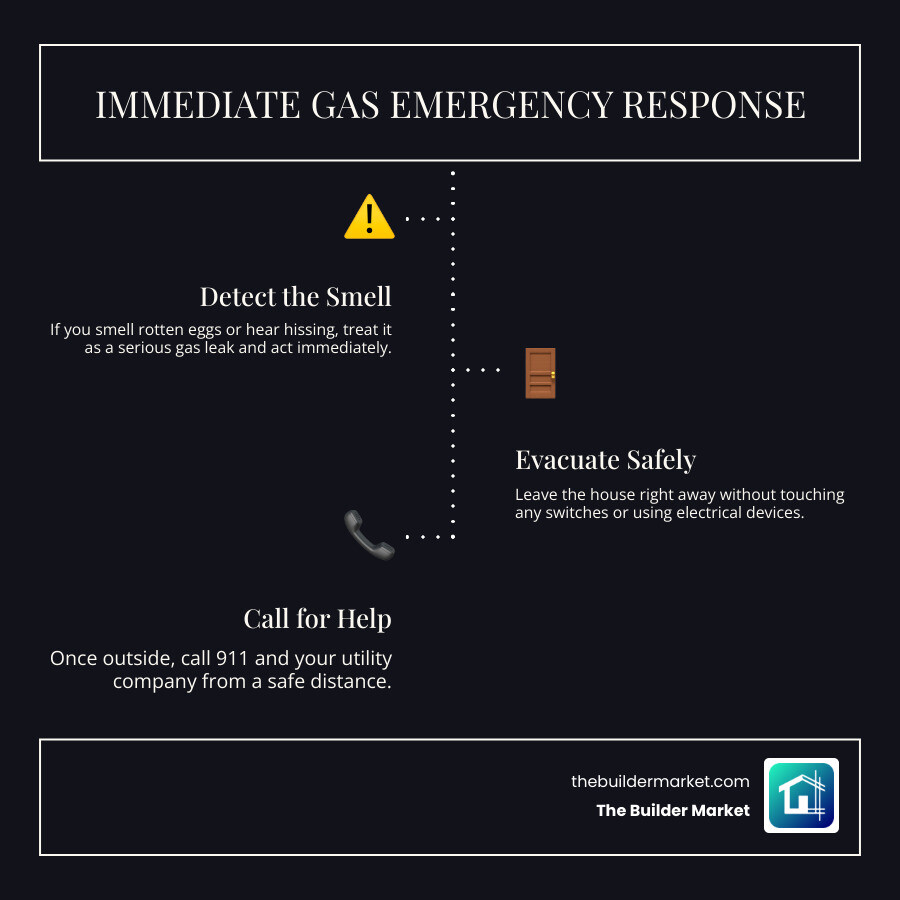
- Smell rotten eggs or hear hissing? Leave the house immediately, don't touch any switches, and call 911 from outside
- Who does the work? Only a licensed professional (typically a Licensed Master Plumber) can legally repair gas lines
- Common signs you need service: Rotten egg odor, dead patches in your lawn, unusually high gas bills, or poor appliance performance
- Repair vs. replacement: Minor leaks can often be repaired; older, corroded, or badly damaged pipes usually need full replacement
- Permits required? Yes — in virtually every U.S. jurisdiction, gas line work requires permits and inspections
- DIY allowed? No — it is illegal and extremely dangerous without proper licensing and training
Natural gas itself is completely odorless. Gas suppliers add a chemical called mercaptan to give it that distinctive rotten egg smell — your first and most important warning signal. Even a small, slow leak can build up to dangerous levels inside a home before most people realize what is happening.
The good news is that gas line problems are very manageable when you catch them early and connect with the right professional fast.
Recognizing the Critical Signs You Need Gas Line Repair

Detecting a gas leak isn't always as simple as smelling "rotten eggs." While the mercaptan odor is the most famous warning sign, your home and yard often provide other subtle clues that your system is failing. Identifying these signs early can prevent a dangerous buildup of gas or a complete system shutdown.
One of the most overlooked signs is found right in your backyard. If you notice localized dead patches in your lawn or garden, especially in a straight line or near your foundation, it could indicate an underground leak. Natural gas displaces oxygen in the soil, effectively "suffocating" the roots of your grass and plants. Similarly, if you see bubbles in standing water or mud after a rainstorm, it may be gas escaping from a buried line.
Inside the home, pay attention to your utility bills. A sudden, unexplained spike in gas usage often points to a slow leak that has gone unnoticed. You might also notice that your gas-powered appliances—like your stove, water heater, or furnace—are performing poorly or taking longer to heat up. If you're experiencing these issues in Washington, it's time to consult Plumbing Services in Vancouver to ensure your supply lines are intact.
Identifying Subtle Symptoms of a Gas Leak
Beyond the "rotten egg" smell, keep an eye on the color of the flames on your burners. A healthy gas flame should be crisp and blue. If you consistently see orange or yellow flames, it indicates incomplete combustion. This can be caused by high humidity or mineral-rich mist from humidifiers, but it can also be a sign of a dangerous carbon monoxide risk.
Physical symptoms among residents are also a major red flag. If you or your family members experience frequent dizziness, headaches, nausea, or fatigue that seems to improve when you leave the house, you may be dealing with a slow leak or improper venting. If you notice soot buildup around your appliances, this is another sign that the gas isn't burning cleanly. For homeowners in Florida, Largo Piping & Gas Inc specializes in inspecting these complex systems to keep your household safe.
When to Prioritize Emergency Gas Line Repair
Some situations require more than a scheduled inspection—they demand an immediate emergency response. If you see visible cracks in your piping, severe corrosion (which often looks like deep pitting or flaky rust), or if a pipe has sustained impact damage from construction or a falling tree limb, the line is compromised.
In regions prone to seismic activity, earthquake safety valves are a critical component. If these valves have tripped or if you notice the smell of gas following a tremor, do not attempt to reset them yourself. For those in the New Orleans area, Emergency Rooter LLC provides the rapid response needed to address these high-stakes structural failures.
Immediate Safety Protocols and Professional Detection Methods
If you suspect a leak, your priority is evacuation. Do not stop to open windows or search for the source. Most importantly, do not touch anything electrical. Flipping a light switch or even using a cell phone inside the house can create a tiny spark sufficient to ignite a gas-saturated room.
Once you are a safe distance away, call 911 and your utility company. If you know where your main gas shut-off valve is located and can reach it safely from the outside, you may turn it off using a wrench. However, never re-enter the home to find a valve. For reliable assistance in Maryland, Definitive Plumbing & Heating can help guide you through the restoration process once the immediate danger has passed.
Advanced Technology for Locating Hidden Leaks
When we send a professional to your home, they don't just "follow their nose." Modern gas line repair relies on precision technology. Plumbers use pressure testing to confirm if a system is holding gas or losing it. By sealing the system and monitoring a gauge, they can determine the severity of a leak within minutes.
For leaks buried deep underground or hidden behind walls, experts use ultrasonic leak detection. These devices pick up the high-frequency "hiss" of escaping gas that is inaudible to the human ear. If you have buried plastic lines, technicians use tracer wires—thin copper wires laid alongside the pipe—to locate the line without digging up your entire yard. In the Las Vegas area, Harel Plumbing & Heating Inc utilizes these non-destructive testing methods to pinpoint problems with surgical accuracy.
Trenchless Solutions for Modern Gas Line Repair
The days of digging massive trenches through your pristine landscaping are largely over. Modern trenchless technology allows us to fix pipes from the inside out. One popular method is Cured-In-Place Pipe (CIPP), where a flexible liner coated with epoxy resin is pulled through the damaged pipe and then "cured" or hardened. This creates a brand-new, seamless pipe inside the old one.
Another option is SIPP (Sprayed-In-Place Pipe), which involves spraying a protective coating inside the line to seal pinhole leaks and prevent future corrosion. These methods are faster, less invasive, and often more durable than traditional replacement. If you are in California, Just Right Services Plumbing, Heating and Air Conditioning can help you determine if trenchless repair is the right fit for your property.
Understanding Gas Piping Materials and Building Code Compliance
Not all gas pipes are created equal. The material used in your home depends on when it was built and where the pipes are located.
| Material | Best Use | Pros | Cons |
|---|---|---|---|
| Black Iron | Interior lines | Extremely durable, fire-resistant | Heavy, can rust over decades |
| CSST | Flexible interior runs | Easy to install around corners | Must be properly bonded/grounded |
| Galvanized Steel | Older homes | Strong | Zinc coating can flake and clog valves |
| Polyethylene (PE) | Underground only | Corrosion-proof, flexible | Cannot be used above ground |
Corrugated Stainless Steel Tubing (CSST) has become a favorite for modern gas line repair because its flexibility makes it easier to snake through walls. However, it must be installed with strict adherence to grounding requirements to prevent damage from lightning strikes. In Texas, where soil movement and weather play a role, Texas Plumbing Systems ensures that the right materials are used to meet both safety standards and local environmental challenges.
Mandatory Permits and Inspections for Gas Systems
In almost every city we serve, it is illegal for anyone other than a Licensed Master Plumber to perform work on a fuel gas piping system. This isn't just bureaucracy; it's about life safety. When a repair is finished, it must pass a rigorous pressure test witnessed by a city inspector or a utility company representative.
Filing the correct paperwork, such as a Limited Alteration Application (LAA) or an Emergency Work Notification (EWN), ensures that the work is recorded and up to code. This documentation is also vital if you ever decide to sell your home. For professional guidance through the permitting process in San Jose, Ideal Plumbing Services provides code-compliant service that gives you peace of mind.
Maintenance Strategies to Prevent Future Leaks
The best gas line repair is the one you never have to make. We recommend an annual safety inspection to catch corrosion before it turns into a leak. During these visits, a professional will check your sediment traps—small pipe extensions designed to catch debris before it enters your appliances—and ensure they are clean.
Homeowners should also perform monthly visual checks on any exposed pipes in the basement or utility room. Look for "pitting," which looks like small craters in the metal, or any signs of moisture that could accelerate rust. Keeping the area around your gas meter clear of debris and snow is also essential. In Virginia, J&M Plumbing and Heating offers comprehensive maintenance checks to keep your system running efficiently year-round.
Frequently Asked Questions about Gas Line Repair
Does homeowners insurance cover the cost of gas line work?
This depends heavily on your specific policy. Most standard homeowners insurance policies cover damage caused by sudden events, like an explosion or a major pipe break. However, gradual wear and tear, such as rust or corrosion over 30 years, is typically considered a maintenance issue and is not covered.
Many insurance companies now offer "Service Line Endorsements" or "Utility Line Coverage" as an add-on. This specifically covers the repair of underground utility lines (gas, water, and sewer) between your house and the street. If you're in Houston and dealing with a line break, MNA Plumbing can provide the documentation you need for your insurance claim.
How long does a typical gas line project take to complete?
A standard gas line repair for a single leak usually takes between 1 and 3 days. This window includes the initial detection, the actual repair, and the mandatory pressure testing. However, the timeline can be extended by the local municipality’s inspection schedule. If a full replacement of the home’s gas system is required, the project could take a week or more, depending on the size of the home and accessibility of the pipes.
Can a homeowner perform DIY repairs on a gas system?
The short answer is: No. While we love a good weekend DIY project, gas lines are the one area where you should never "do it yourself." The risks of an explosion, fire, or carbon monoxide poisoning are too high. Furthermore, most local building codes explicitly forbid unlicensed individuals from touching gas lines. If you perform unpermitted work and a fire occurs later, your insurance company may deny your claim entirely. Always leave this to the certified professionals.
Conclusion
Navigating gas line repair can feel overwhelming, but you don't have to do it alone. By recognizing the early warning signs—from the smell of mercaptan to the performance of your appliances—you can take action before a situation becomes an emergency. As we move through May 2026, the technology for detecting and fixing these issues has never been more advanced or less invasive.
At The Builder Market, we specialize in taking the stress out of home maintenance. Our AI-powered platform connects you with the most reliable, vetted professionals in your local area, ensuring that your gas system is handled by experts who prioritize your safety and follow all local codes. Whether you need a quick inspection or a full trenchless pipe restoration, we make it easy to find expert help for your next home project and keep your household running safely for years to come.
Need Help?
Contact us today to discuss your needs. Our team is ready to help.
About the Author
The Builder Market
More Articles
View All PostsRelated Articles
Ready to grow with The Builder Market?
Explore listings, AI growth, sites, and lead options—or talk to our team about what fits your business.

