Beginner's Guide to Electrical Repair Contractor
Hire a licensed Electrical repair contractor for safe, code-compliant fixes to outlets, panels, breakers, and wiring in your home or business.
Beginner's Guide to Electrical Repair Contractor
Why Hiring the Right Electrical Repair Contractor Can Protect Your Home and Family
Finding a qualified electrical repair contractor is one of the most important decisions a homeowner can make. Electrical problems are not just inconvenient — they are dangerous. According to national fire safety data, over 47,000 home electrical fires occur every year in the U.S., causing hundreds of deaths and more than $1.3 billion in property damage annually. Faulty wiring and electrical equipment are the second leading cause of residential fires, and homes built before 1970 face two to three times the risk.
Here's a quick overview of what an electrical repair contractor does and when to call one:
- Diagnoses electrical problems — from flickering lights and tripping breakers to full power outages
- Repairs circuits, outlets, panels, and wiring — safely and to code
- Handles specialized work — including EV charger installation, panel upgrades, and generator hookups
- Ensures code compliance — pulling permits and passing inspections so your home stays safe and insurable
- Responds to emergencies — many licensed contractors offer 24/7 after-hours service for urgent hazards
- Serves residential, commercial, and industrial clients — with the right tools and credentials for each setting
Whether you have a sparking outlet, an outdated fuse box, or you're planning a major renovation, the right contractor makes all the difference between a safe fix and a costly mistake.
This guide walks you through everything you need to know — from spotting warning signs, to verifying credentials, to understanding what sets a licensed pro apart from a cheap, unqualified alternative.

What an Electrical Repair Contractor Does
An Electrical repair contractor troubleshoots, repairs, upgrades, and documents electrical work so a property stays safe and code-compliant. In plain English: they find the real cause of the problem, not just the symptom that is currently making your lights act haunted.
Typical service areas include:
- Troubleshooting power loss and intermittent faults
- Repairing outlets, switches, and lighting circuits
- Correcting code violations
- Replacing damaged breakers and panel components
- Rewiring unsafe or outdated circuits
- Installing surge protection
- Adding dedicated circuits
- Upgrading electrical panels
- Installing generators and transfer equipment
- Handling low-voltage cabling and controls in some projects
Residential services an Electrical repair contractor typically provides
For homeowners, the most common jobs include:
- Flickering or dimming lights
- Dead outlets or switches
- GFCI outlet repair in kitchens, bathrooms, garages, and outdoors
- Breakers that trip repeatedly
- Smoke and carbon monoxide detector wiring
- Whole-home or partial rewiring
- Panel upgrades for modern electrical demand
- EV charger installation
- Indoor, outdoor, and recessed lighting installation
- Surge protection for electronics and appliances
Many repairs happen in older homes where the wiring was never designed for modern loads like large TVs, induction ranges, heat pumps, or EV chargers. If your home still has ungrounded outlets, aluminum branch wiring, or an old fuse box, professional evaluation is especially important.
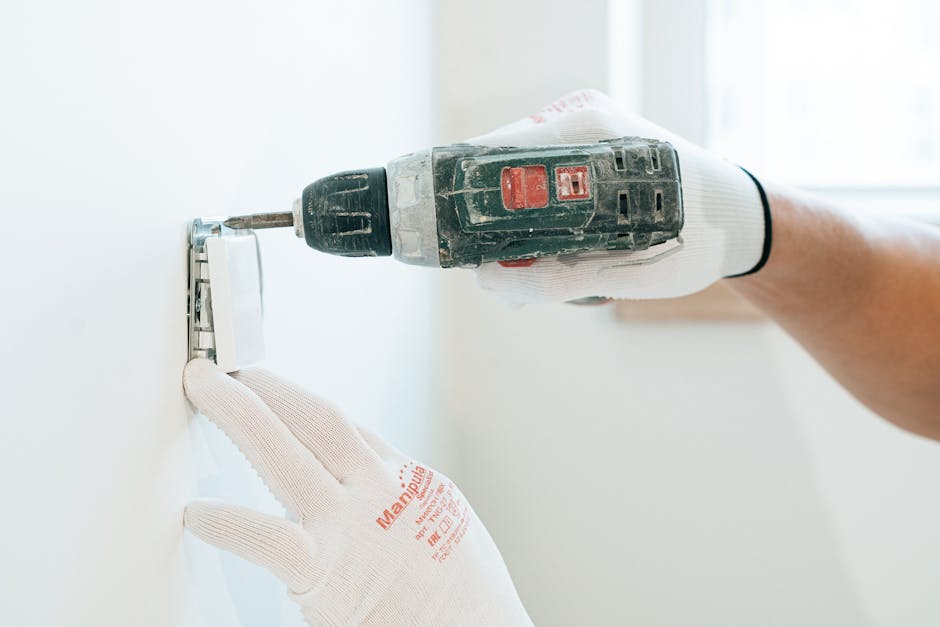
Commercial and industrial services an Electrical repair contractor handles
Electrical contractors also support businesses, property managers, and facilities with more complex needs, such as:
- Tenant improvements
- Safety inspections
- Emergency power and backup systems
- Lighting retrofits and LED upgrades
- Generator service
- Switchgear and transformer work
- Machine hookups
- Motor controls and instrumentation
- Data cabling and low-voltage systems
- Security, access control, and communication wiring
Commercial and industrial systems are more complex, and downtime has real consequences. A bad breaker in a home is stressful. A bad breaker in a business can shut down operations, interrupt tenants, and create liability issues very quickly.
For examples of service listings, see electrical contractors in California and electrical contractors in Utah.
How to Know When You Need an Electrical Repair Contractor
Some electrical issues are obvious emergencies. Others look small until they become expensive or dangerous. The safest rule is simple: if the problem involves heat, sparks, burning smells, the main panel, or hidden wiring, call a pro.
Common warning signs include:
- Burning smell near outlets, switches, or the panel
- Buzzing sounds from walls or breakers
- Warm or discolored outlets
- Breakers that trip over and over
- Partial power loss in part of the house
- Lights that flicker when appliances start
- Outlets that stopped working for no clear reason
- Exposed wires
- Signs of old or damaged wiring
- Hidden electrical equipment discovered during remodeling
Signs a homeowner should call an Electrical repair contractor right away
Call immediately if you notice any of the following:
- Sparking outlets or switches
- Scorched cover plates
- A hot electrical panel
- Sudden loss of power to key circuits
- Aluminum wiring with loose or failing connections
- Knob-and-tube or cloth-insulated wiring in poor condition
- Electrical meter or service equipment hidden behind walls or finishes
- Exposed conductors
- Storm damage to service lines, panels, or outdoor equipment
Emergency warning signs checklist:
- Burning odor
- Smoke from outlet or panel
- Repeated tripping with no clear overload
- Crackling or buzzing
- Water near energized equipment
- Melted insulation
- Shock when touching a switch or appliance
- Power outage affecting only your home
Homes with hidden violations deserve special caution. If a remodel reveals buried splices, inaccessible junctions, or concealed service equipment, stop and bring in a licensed contractor. Those are not “we’ll deal with it later” problems.
Problems that should never be a DIY repair
Some home projects are fair DIY territory. Electrical service work usually is not.
Never DIY these jobs:
- Work inside the main service panel
- Meter or service entrance repairs
- Whole-home or in-wall rewiring
- Breaker replacement when the cause is unknown
- Generator hookups
- 240-volt circuit additions
- Electrical work in wet locations
- Any work requiring permits or inspection
- Hidden splices behind drywall or ceilings
Even if your area allows limited homeowner electrical work, legality is not the same thing as wisdom. One hidden splice behind drywall can fail inspection, affect insurance, and create a fire risk.
How to Hire a Safe, Qualified Contractor
The right contractor should make you feel calmer, not more confused. Good electrical pros explain the issue clearly, document the work, follow code, and know when permits and inspections are required.
Credentials, licenses, and insurance to verify before hiring
Before approving work, verify:
- State or local electrical license, where required
- General liability insurance
- Workers' compensation coverage
- Ability to pull permits when needed
- Willingness to coordinate inspections
- Experience with your type of property and problem
- Familiarity with local codes and utility requirements
Here is a simple comparison:
| Factor | Licensed contractor | Unlicensed provider |
|---|---|---|
| Code knowledge | Expected | Uncertain |
| Permit handling | Typically yes | Often no |
| Inspection readiness | Standard practice | May avoid it |
| Insurance coverage | Should be verifiable | May be missing |
| Documentation | Usually provided | Often limited |
| Risk to homeowner | Lower | Higher |
Choosing licensed and insured help matters for safety, resale, and insurance claims. It also helps avoid the classic “cheap repair” that becomes a much bigger repair later.
Questions to ask before approving electrical repair work
Ask these before the work starts:
- What is the likely root cause?
- What exactly is included in the repair?
- Will this work meet current code?
- Do permits or inspections apply?
- Are there safer or longer-lasting options?
- Will you document what was repaired?
- Do you offer emergency or after-hours service?
- What should we do if the issue comes back?
- How will you protect the home and clean up after the job?
You can browse contractor examples here: Florida electrician listing and Virginia electrician listing.
Safety, Code Compliance, and Specialized Electrical Work
Electrical work is not just about making the power come back on. It also has to meet safety rules. In 2026, that usually means compliance with the National Electrical Code, local building rules, utility requirements, and inspection standards.
How contractors keep repairs safe and code-compliant
Professional contractors typically use a process like this:
- De-energize and test the circuit
- Confirm the actual source of failure
- Check load, grounding, and overcurrent protection
- Replace damaged materials with properly rated components
- Use approved boxes and accessible connections
- Pull permits where required
- Prepare for inspection if the job requires signoff
- Test the repair under normal operating conditions
They also watch for code-related issues such as:
- Missing GFCI protection
- Missing AFCI protection where required
- Inadequate working clearance around panels and meters
- Dangerous legacy panels
- Overloaded circuits
- Improper grounding or bonding
- Unsupported or exposed cable
- Illegal hidden junctions
How specialized services differ from standard repairs
A basic repair might involve replacing a failed outlet or repairing a light switch circuit. Specialized services are more technical because they often require load calculations, dedicated circuits, permitting, equipment compatibility, or service upgrades.
Examples include:
- EV charger installation
- Panel upgrades
- Generator transfer equipment
- Lighting design and control systems
- Smart home controls
- Dedicated appliance circuits
- Service capacity upgrades
For example, installing an EV charger is not just “add a plug.” The contractor must verify panel capacity, breaker sizing, wire size, voltage requirements, and sometimes the need for a service upgrade. A panel upgrade is also bigger than it sounds because it can involve utility coordination, grounding updates, and inspections.
For more service examples, see California electrician services and Ohio electrician services.
Choosing the Right Contractor for Your Home and Location
Location matters more than many homeowners realize. Electrical work must fit local code rules, weather conditions, housing age, and utility practices.
What homeowners in Utah, California, Florida, and North Carolina should consider
In Utah:
- Winter weather and fast restoration needs can make emergency response especially important
- Homes and businesses may need contractors comfortable with residential, commercial, and light industrial work
In California:
- Inspections and code corrections can be especially important during remodels
- Older homes may need panel upgrades, rewiring, surge protection, and careful handling of legacy systems
In Florida:
- Storm readiness matters
- Generator planning and surge protection are common priorities
- Coastal and humid environments can accelerate corrosion in some equipment
In North Carolina:
- Permit requirements are a major consideration for many electrical jobs
- Older homes may still contain outdated wiring methods or insufficient panel capacity
Across all four states, older housing stock deserves extra caution. Homes built before 1970 are much more likely to have unsafe wiring conditions, and homes from the 1960s through 1970s may contain aluminum wiring that needs informed evaluation.
Why choosing a licensed, experienced contractor protects your home
The benefits are practical, not just theoretical:
- Reduced fire risk
- Better troubleshooting and fewer repeat failures
- Repairs that are more likely to pass inspection
- Better documentation for insurance and resale
- Safer upgrades for modern appliances and EV charging
- More confidence during emergencies
- Less chance of hidden code violations
When repairs are done correctly the first time, you avoid the two worst outcomes: unsafe work and paying twice.
For more local contractor examples, see Texas electrician listing and Indiana electrician listing.
Frequently Asked Questions About Electrical Repair Contractor Services
What are the most common electrical problems that need professional repair?
The most common issues include:
- Flickering lights
- Breakers that trip repeatedly
- Dead outlets
- Faulty switches
- GFCI outlets that will not reset
- Panel problems
- Outdated or damaged wiring
- Partial power outages
- Warm or buzzing devices
These problems often point to loose connections, overloaded circuits, deteriorated wiring, failing breakers, or grounding issues. They may look minor, but small electrical faults are very good at becoming large electrical faults.
How do emergency and after-hours electrical repairs usually work?
Emergency service usually starts with hazard triage. The contractor will ask what is happening, whether there is smoke, heat, sparking, storm damage, or total power loss, and whether you can safely shut off affected circuits.
Typical after-hours process:
- Phone triage to identify immediate hazards
- Instructions to stay safe until arrival
- On-site testing and isolation of the dangerous condition
- Temporary stabilization if full repair must wait
- Restoration of critical circuits when possible
- Follow-up permanent repair if needed
Emergency priorities are usually:
- Remove immediate fire or shock hazards
- Restore essential power safely
- Prevent damage from spreading
- Schedule any additional code-required repair steps
Are older homes more likely to need electrical repairs?
Yes. Homes built before 1970 are significantly more likely to experience electrical fire risks because of outdated systems. Older homes may have:
- Ungrounded outlets
- Undersized service
- Deteriorated insulation
- Fuse boxes instead of modern breakers
- Aluminum wiring
- Knob-and-tube wiring
- Amateur remodel work hidden behind finished walls
This is one reason electrical failures and malfunctions remain a leading cause of home fires in the U.S. If you live in an older home, periodic electrical inspection is a smart move, especially before renovations or adding large appliances.
Conclusion
Finding the right Electrical repair contractor is really about protecting your home, your family, and your future headaches. A qualified pro can diagnose dangerous issues, repair them safely, and make sure the work is documented and code-compliant.
At The Builder Market, we help homeowners connect with vetted local professionals through an AI-powered marketplace built for real projects and real people. That means easier matching, direct communication, and more confidence when you need help fast.
If you are ready to start, explore trusted pros through our network and learn more from service listings like this electrician page in Virginia.
Need Help?
Contact us today to discuss your needs. Our team is ready to help.
About the Author
The Builder Market
More Articles
View All PostsRelated Articles
Ready to grow with The Builder Market?
Explore listings, AI growth, sites, and lead options—or talk to our team about what fits your business.

