Chimney Sweep Service: Find Local Pros Near You
Find certified chimney sweep service near you for safe, efficient fireplace maintenance and creosote removal.
Chimney Sweep Service: Find Local Pros Near You
What Is a Chimney Sweep Service and How Do You Find One Near You?
A chimney sweep service is a professional inspection and cleaning of your chimney, flue, and fireplace system — carried out by a trained technician to keep your home safe and your heating system working properly. If you use a fireplace or wood-burning stove, this is one of the most important maintenance tasks you can schedule each year.
Here's what a chimney sweep service typically includes:
- Inspection of the flue, firebox, damper, and exterior chimney structure
- Cleaning to remove soot, debris, and creosote buildup
- Safety assessment to identify cracks, blockages, or structural damage
- Recommendations for any repairs or follow-up work needed
The National Fire Protection Association (NFPA) recommends that all chimneys be inspected at least once a year and cleaned as needed. Yet many homeowners put it off — often until a problem becomes a serious hazard.
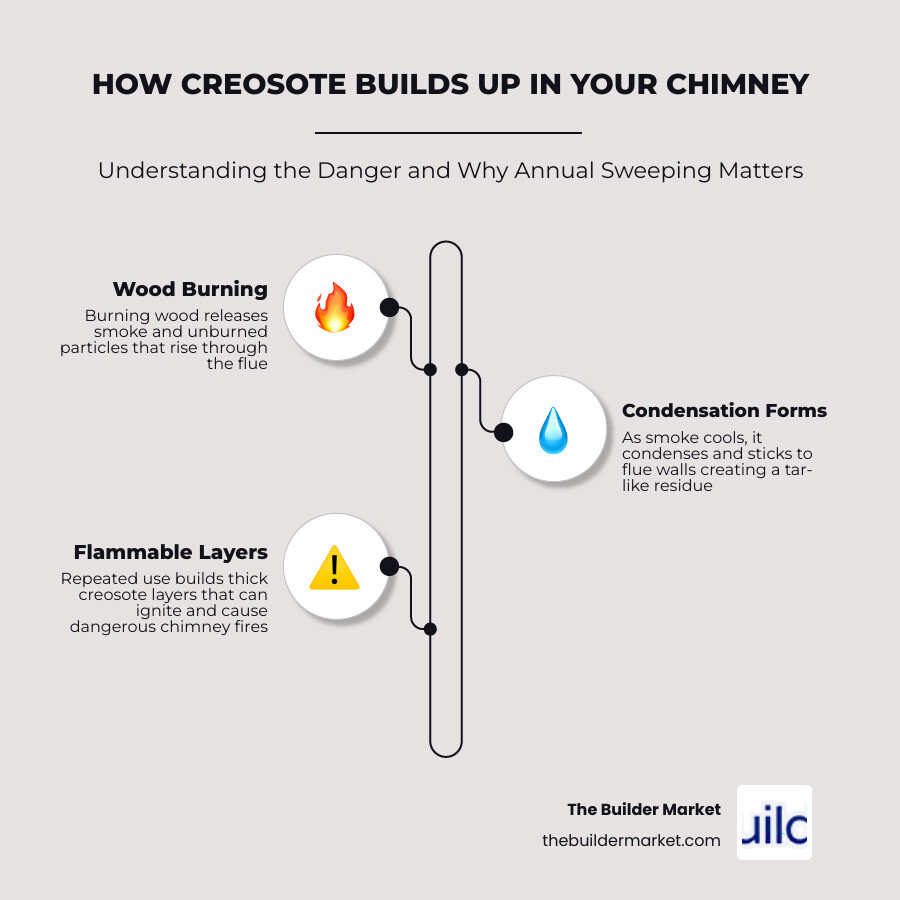
Creosote, the tar-like byproduct of burning wood, builds up inside your flue over time. It's highly flammable and is a leading cause of chimney fires. A professional sweep removes it before it becomes a threat.
Finding a qualified chimney sweep near you doesn't have to be complicated. The Builder Market connects homeowners across the U.S. with verified, local chimney professionals — so you can book with confidence and skip the guesswork.
Chimney sweep service vocab to learn:
- Electrical repair contractor
- Green building contractor
- Stone masonry contractor
Why You Need a Professional Chimney Sweep Service
When the weather cools down and you light a fire, you want to enjoy the cozy warmth without worrying about what is happening inside your walls. Your chimney might seem like a simple brick shoot, but it is actually a complex exhaust system. Ensuring it works correctly requires regular, specialized care. Skipping your annual chimney sweep service can lead to serious safety and performance issues.
Fire Prevention
The number one reason to hire a chimney sweep is to prevent residential fires. When wood burns, it releases combustion byproducts that rise and condense on the cooler inside walls of your chimney flue. This sticky, highly flammable substance is called creosote. If creosote is allowed to build up, a stray spark from your fireplace can easily ignite it, causing a roaring chimney fire. These fires burn incredibly hot—often exceeding 2,000°F—which can easily crack your chimney liner and ignite the surrounding wooden framing of your home.
Carbon Monoxide Protection
A clean chimney carries toxic combustion gases safely up and out of your home. However, if your chimney flue is restricted by heavy soot, creosote, or external blockages (such as bird nests, leaves, or fallen bricks), these gases have nowhere to go but back into your living space.
The most dangerous of these gases is carbon monoxide (CO). Because carbon monoxide is completely invisible, odorless, and tasteless, it can build up to lethal levels without anyone noticing. A professional chimney sweep ensures the flue is entirely clear, allowing proper drafting and keeping your indoor air safe.
Maximizing Drafting Efficiency
Have you ever lit a fire only to have your living room quickly fill with smoke? This is usually a draft issue. For a fireplace to draw correctly, there must be an unobstructed path for hot air to rise. When soot and creosote restrict the diameter of your flue, the draft is weakened. By thoroughly cleaning the flue, a professional sweep restores the optimal physical dimensions of your chimney, ensuring smoke goes where it belongs.
Preserving Structural Integrity and Moisture Protection
Chimneys are constantly exposed to the elements. Rain, snow, wind, and wild animals can all cause severe damage over time. During a professional sweep, technicians do not just clean; they examine the structural integrity of your system. They look for:
- Cracked or crumbling mortar joints
- Damaged bricks
- Deteriorating chimney liners
- Gaps in the flashing where the chimney meets the roof
Addressing these issues early prevents water from leaking into your home and causing costly structural rot. For homeowners in New York, working with a specialized local service like Deer Park Chimney is a great way to ensure your chimney is prepared to withstand harsh winters and seasonal moisture.
Essential Fireplace and Chimney Maintenance Services
A comprehensive chimney maintenance plan involves far more than just running a brush down a pipe. Professional sweeps offer a suite of specialized services designed to inspect, repair, and protect your entire fireplace system.
Level 1 and Level 2 Inspections
The industry standard for chimney assessments is divided into distinct levels, as outlined by the NFPA. Understanding the difference helps you know exactly what your system needs:
- Level 1 Inspection: This is the standard visual checkup recommended for chimneys under continuous, unchanged use. The technician examines the readily accessible portions of the chimney exterior and interior, checking the overall condition of the structure, the flue connection, and ensuring there are no obvious obstructions.
- Level 2 Inspection: This is a much more detailed assessment. It is required when you make changes to your heating system (such as converting from wood to gas), after a home transfer or sale, or after an unusual event like a chimney fire, earthquake, or severe weather event.
Video Scanning Technology
During a Level 2 inspection, top-tier chimney sweep companies use specialized camera systems. These small, high-resolution cameras are lowered down the length of the flue, transmitting real-time footage to a monitor. This allows the technician to spot tiny hairline cracks, gaps in the liner joints, or hidden blockages that would be completely invisible to the naked eye.
Masonry Repair and Tuckpointing
Water is a brick chimney’s worst enemy. Over time, moisture penetrates the mortar joints between your bricks. When temperatures drop, this water freezes and expands, cracking the mortar and loosening the bricks.
To fix this, professionals perform tuckpointing. This process involves carefully scraping out the damaged, crumbling mortar and replacing it with fresh, color-matched mortar. This restores both the strength and the water-resistant properties of your brickwork.
Chimney Caps and Dampers
A chimney cap is a metal hood installed over the top of your chimney. It features wire mesh sides that serve two vital purposes:
- Keeping rain, snow, and debris out of your flue.
- Preventing birds, squirrels, and raccoons from nesting inside.
If your chimney cap is missing or damaged, installing a new one is one of the easiest ways to prevent water damage and animal intrusions. If you reside in Montana, contacting local specialists like Sweeping Giant can help you get the durable, weather-resistant chimney caps your home needs.
Level 1 vs. Level 2 Chimney Inspections
| Feature / Detail | Level 1 Inspection | Level 2 Inspection |
|---|---|---|
| Scope of Work | Basic visual check of accessible areas | In-depth evaluation of all accessible areas, plus video scanning |
| When It Is Needed | Annual routine checkups under normal usage | During home sales, system upgrades, or after severe weather/fires |
| Tools Used | Flashlights, basic hand tools | High-resolution video cameras, specialized access tools |
| Areas Examined | Flue, firebox, damper, and easily visible exterior masonry | Complete flue interior, attic spaces, crawl spaces, and roof |
What to Expect During a Chimney Sweep Service Appointment
If you have never had your chimney professionally cleaned, you might worry about soot and ash flying all over your living room. Fortunately, modern chimney sweeps use advanced dust-containment systems to keep your home pristine.
Here is what typically happens during a standard appointment:
- Staging and Protection: The technicians will lay down heavy-duty drop cloths and tarps in front of your fireplace to protect your flooring and nearby furniture.
- Dust Control Setup: They will set up a powerful, industrial-grade HEPA vacuum system near the hearth. This vacuum runs continuously during the cleaning process, pulling in any airborne soot particles before they can escape into your home.
- Flue Brushing: Using specialized flexible rods and heavy-duty wire or poly brushes tailored to your flue's size and shape, the sweep will scrub the interior walls of your flue. This detaches the built-up soot and creosote, which falls safely down into the firebox.
- Firebox and Damper Cleaning: The sweep will clean the damper assembly, smoke shelf, and the interior walls of the firebox, vacuuming up all the fallen debris.
- Final Safety Report: After the cleaning is complete, the technician will provide you with a detailed report of their findings, including any photos or video footage of your chimney's interior, and walk you through any recommended repairs.
If you are looking for professional, mess-free maintenance in Utah, The Duct Hunter Chimney Sweep can provide the thorough cleaning and advanced dust containment your home deserves.
Choosing a Certified Chimney Sweep Service Provider
Because chimney safety is so critical, you should never hire an uncertified "handyman" to sweep your chimney. When researching local professionals, look for the following qualifications:
- CSIA Certification: The Chimney Safety Institute of America (CSIA) is the gold standard for the industry. A CSIA-certified sweep has passed rigorous exams on safety codes, cleaning techniques, and structural standards.
- FIRE Certification: The Fireplace Investigation Research and Education (FIRE) certification indicates advanced expertise in inspecting fireplaces for structural defects and code compliance.
- Active Liability Insurance: Always verify that the company carries comprehensive liability insurance to protect your property in the unlikely event of an accident.
- Local Experience: Chimneys in different regions face unique challenges. In areas with high humidity or extreme winter temperatures, chimneys suffer from intense freeze-thaw cycles. Local pros understand how regional weather affects masonry and will know exactly what protective measures, like waterproofing, are necessary for your home.
Warning Signs Your Home Needs a Professional Inspection
While you should always schedule an annual inspection, you should call a professional immediately if you notice any of the following warning signs:
- Smoky Fires: If smoke consistently backs up into your home when you light a fire, your chimney is not drafting correctly. This points to a heavy creosote buildup, an obstruction, or a broken damper.
- Persistent Odors: If your fireplace smells like a campfire or has a musty, asphalt-like odor even when a fire is not burning, you likely have a heavy accumulation of creosote. This smell is often worse in the summer when high humidity levels carry the odor down into your home.
- Cracked Masonry and Crumbling Mortar: If you notice cracked bricks, gaps in the mortar, or loose pieces of masonry on your roof or inside the firebox, your chimney's structure is compromised.
- Animal Nesting Noises: If you hear scratching, chirping, or rustling sounds coming from your chimney, birds or small animals have likely built nests inside. These nests are a major fire hazard and must be professionally removed.
- White Staining (Efflorescence): If you see a white, powdery substance coating your exterior chimney bricks, this is efflorescence. It occurs when water penetrates the brickwork and dissolves natural salts inside. It is a clear warning sign that your chimney is absorbing excessive moisture.
Frequently Asked Questions About Chimney Maintenance
How often should I have my chimney inspected and cleaned?
According to the National Fire Protection Association (NFPA), you should have your chimney inspected at least once a year, regardless of how often you use it. Even if you rarely light a fire, animals can build nests, or moisture can cause structural damage over the spring and summer.
If you burn wood frequently (more than a cord of wood per season), you may need to schedule a cleaning mid-season to prevent dangerous creosote buildup. Gas fireplaces do not produce creosote, but they still require annual inspections to check for venting blockages, gas leaks, and proper burner operation.
What is creosote and why is it dangerous?
Creosote is a highly flammable, tar-like substance that forms when wood smoke condenses on the cool interior walls of your chimney flue. It builds up in three stages:
- First Stage: A flaky, dusty soot that is easy to brush away.
- Second Stage: A crunchy, sticky black deposit that resembles toasted marshmallows.
- Third Stage: A thick, shiny, hardened glaze that is extremely difficult to remove and highly explosive.
If a stray spark ignites third-stage creosote, it can cause a violent chimney fire that can quickly spread to the rest of your home.
Can I clean my own chimney or should I hire a professional?
While DIY chimney cleaning kits are available, tackling this job yourself is highly discouraged. Without professional-grade brushes, high-powered HEPA vacuums, and specialized video cameras, it is nearly impossible to completely remove hardened creosote or spot hidden structural damage inside the flue.
Furthermore, climbing onto a roof to clean a chimney carries significant personal safety risks. Hiring a certified professional ensures the job is done safely, thoroughly, and in full compliance with local building and fire codes.
Conclusion
Your fireplace should be a source of comfort, warmth, and peace of mind—not a safety hazard. By staying proactive with annual inspections and professional cleanings, you can protect your family from the very real dangers of chimney fires and carbon monoxide poisoning.
If you are ready to ensure your home heating system is safe and efficient, let us help. The Builder Market makes it easy to find and connect with highly rated, vetted fireplace and chimney specialists right in your neighborhood. Simply post your project, match with certified local professionals, and enjoy a safer, warmer home today.
Need Help?
Contact us today to discuss your needs. Our team is ready to help.
About the Author
The Builder Market
More Articles
View All PostsRelated Articles
Ready to grow with The Builder Market?
Explore listings, AI growth, sites, and lead options—or talk to our team about what fits your business.

